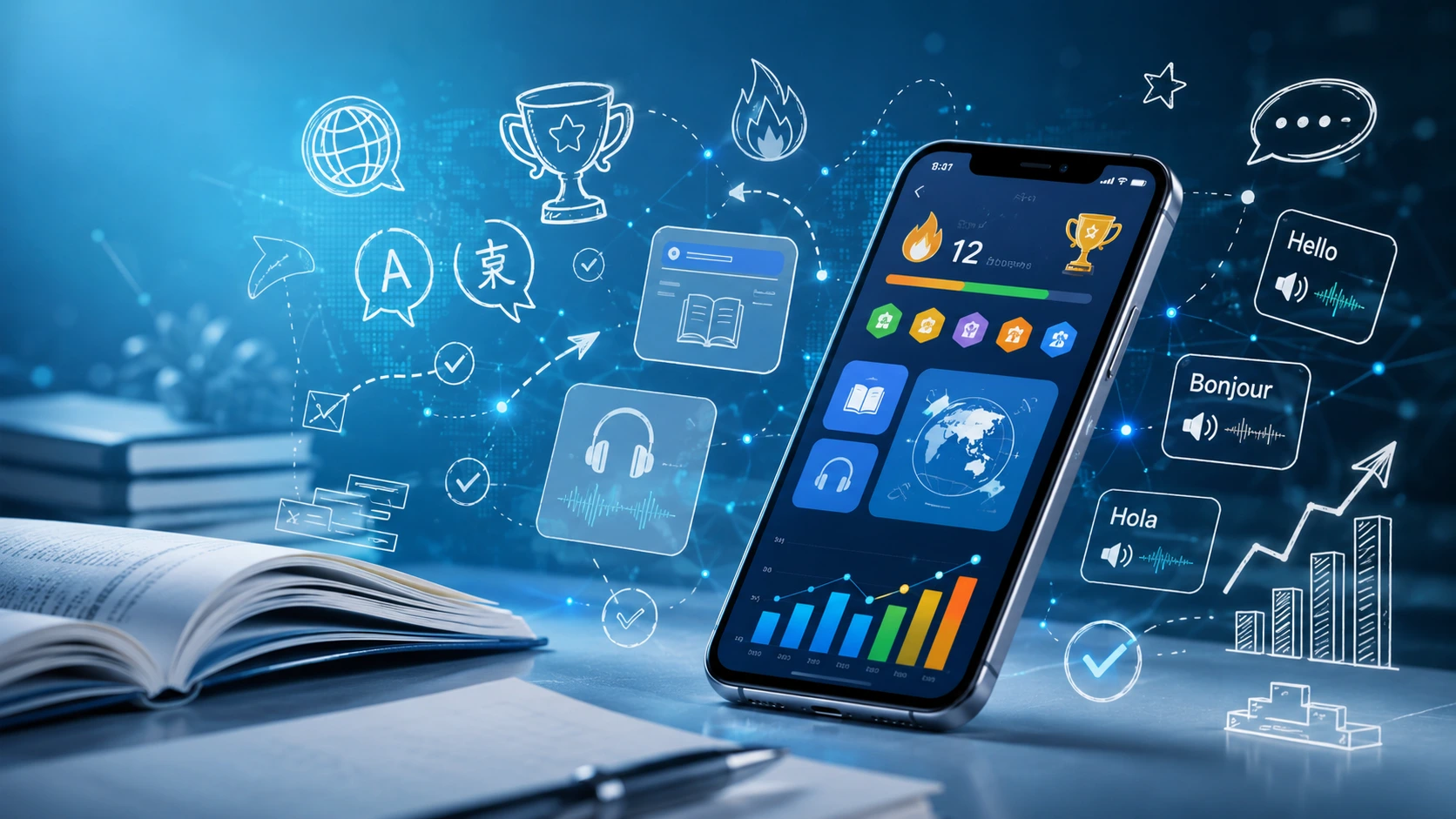
In an era where technology is constantly blamed for shortening our attention spans, gamified education has managed to do the impossible that is turn screen time into an effective classroom. We can take example from app namely Duolingo, with over 1 billion downloads Duolingo successfully invites young people to learn language with nothing but a phone, so how did this all come to be? This phenomenon is caused by the strategic combination of psychological rewards and highly accessible micro lessons, although achieving authentic fluency still requires organic human interaction. There are several reasons behind this phenomenon.
The primary reason of this phenomenon lies in the psychological rewards embedded within gamified software. Gamification element in mobile applications transform language learning from rigid academic chore into engaging daily habit because human brain likes to get instant gratification, furthermore games feature that trigger dopamine making users feel challenged rather being pushed. This proved by trend that going on media social where young people show off their daily streak in Duolingo, because the reward they are getting motivate them to learn language everyday. Therefore, these playful features successfully solve the biggest hurdle in language learning that is lack of long term concistency.
More than just motivation, mobile apps democratize language education by offering highly accessible and “bite sized lesson”. Mobile learning app use micro learning concept that offer user to learn in bite sized yet impactful lessons during their busy time, rather than traditional class that need hours and have inflexible schedules. Users can finish a session of his language lesson for only 5 – 10 minutes while waiting for coffee, on a bus, or before sleep, this flexibility ensures that language acquisition can effortlessly blend into fast paced lifestyle of modern learners.
However, despite their convenience, app based platforms possess few limitations when it comes to developing deep, real world fluency. The algorithm of application is usually rigid, apps very good at memorize word for input but very weak train learner quick communication and understanding culture context. Apps can checking on multiple choice or sentence grammar, but they can not simulate real world conversation flow with full of emotion, body language, slang, or local dialect. Consequently, while apps serve as excellent foundational tools, they cannot entirely replace human to human interaction.
Baca juga: Causes of Low Education Quality in Indonesia
In conclusion, while gamified mobile learning undeniably transform language acquisition into an accessible and highly engaging daily habit, it fundamentally falls short of delivering authentic, real world conversational fluency. Apps like duolingo are excellent tools choice for building vocabulary and grammar, but they should be treated as a tool rather than standalone method. Therefore, the future of successful language learning lies not in replacing human teacher with robots, but balancing the efficiency of technology with the authenticity of human connection.
Writer:
1. Abiyyu Muzakki (2406102020067)
2. Muammar Khadafi (2406102020076)
Student of the English Language Education Study Program at Syiah Kuala University
Editor: Rahmat Al Kafi